
In the age of AI, it’s easier than ever to conjure up a "pretty picture" of a logo. Type a few prompts, hit generate, and voilà – you have a graphic that might look perfectly acceptable on your screen. But here’s the paradox: While AI excels at creating visually appealing raster images, it fundamentally misunderstands the physics of a brand.
The truth is, a truly scalable brand identity requires more than just pixels. It demands a hand-crafted, mathematically perfect foundation: vector-based design.
The Illusion of Instant Brand Identity
AI tools are incredible for rapid prototyping, mood boarding, and even generating placeholder graphics. For a quick social media post or a personal project, an AI-generated image can be fantastic. However, when it comes to the cornerstone of your brand – your logo – relying solely on AI presents critical, often unseen, limitations.
An AI-generated logo is typically a raster image. Think of it as a grid of colored pixels. The more pixels, the higher the resolution, and the sharper it looks. But what happens when you try to push those pixels beyond their intended size?
Blur. Pixelation. Loss of detail. Mess.
This is where the "pretty picture" falls apart, revealing the "Vector-First" Paradox.
What AI Doesn't Understand: The Physics of Scale
Unlike AI, a professional designer, armed with tools like Adobe Illustrator or Inkscape, creates logos using vectors. Vectors aren't pixels; they are mathematical paths defined by points, lines, and curves.
Imagine drawing a circle. A raster image draws it by coloring in tiny squares. A vector image defines it mathematically: "a circle with a radius of X at coordinate Y."
The profound difference? Vectors are infinitely scalable. You can shrink a vector logo down to a minuscule smartwatch icon or blow it up to cover the side of a skyscraper, and it will remain perfectly crisp, sharp, and true to its original design. There's no pixelation, no degradation of quality.
Why Your Brand Needs a Vector-First Approach for 2030
Consider the myriad platforms where your brand will live in the coming years:
- Digital Extremes: From a tiny favicon in a browser tab to a massive 8K digital billboard.
- Print & Packaging: Business cards, brochures, product packaging, and large-format banners.
- Physical Manifestations: Embroidered uniforms, etched glassware, engraved awards, vinyl vehicle wraps, and even complex 3D-printed signage.
- Emerging Tech: AR/VR environments, interactive displays, and future applications we can't even imagine yet.
Every single one of these applications demands flawless scalability and adaptability. An AI-generated raster logo simply cannot meet these demands without significant—and often impossible—reconstruction. Trying to convert a pixel-based image into a truly clean, editable vector can be far more time-consuming and costly than starting with a vector from scratch.
The True Value of Hand-Crafted Design
A professional logo designer doesn't just create an image; they create a system. They understand:
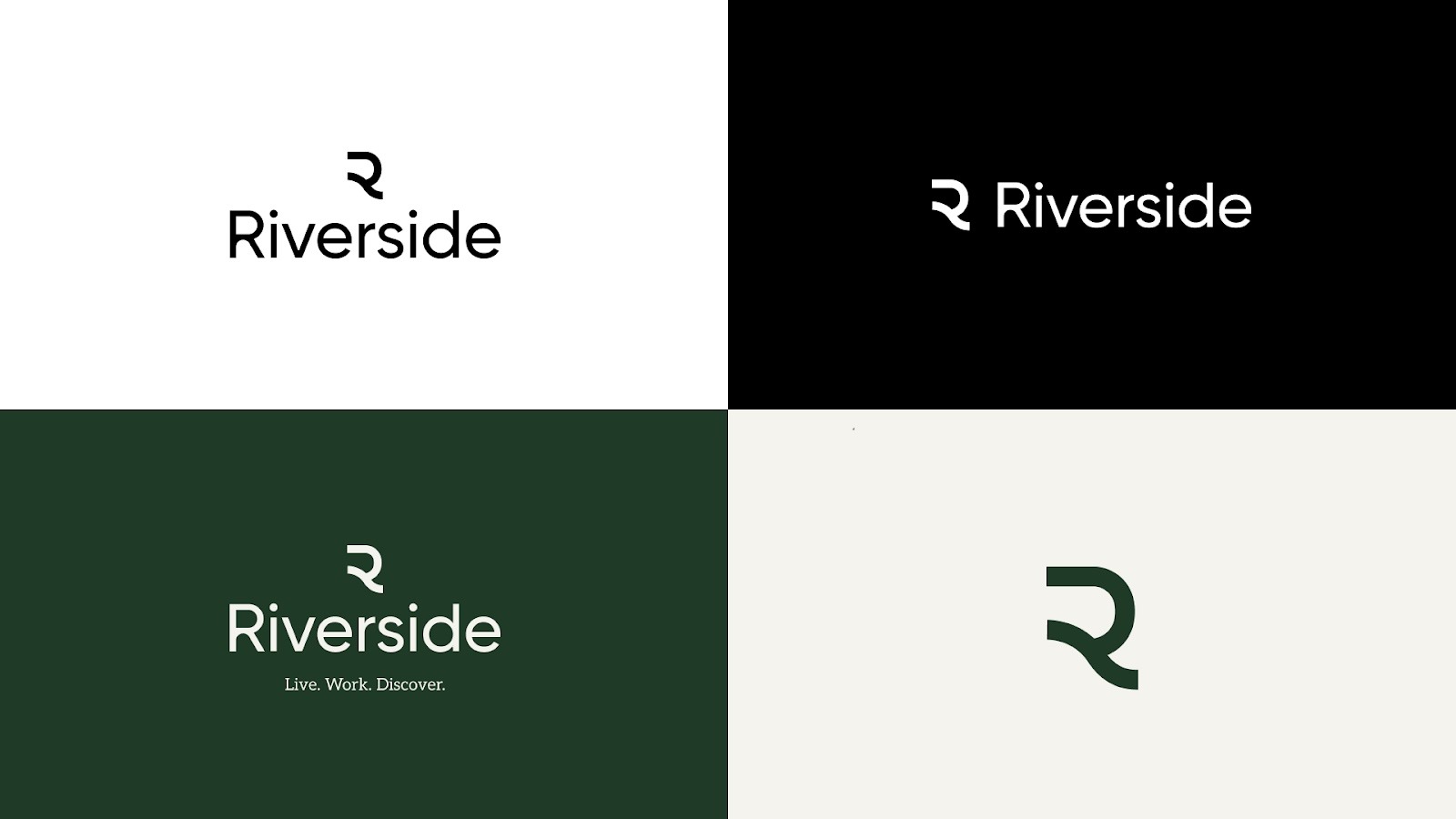
- Geometric Precision: Ensuring clean lines, balanced proportions, and perfect curves.
- Adaptability: Designing for single-color usage, different backgrounds, and various orientations.
- Brand Essence: Translating your company's values and mission into a timeless, flexible visual mark.
- Future-Proofing: Creating an asset that will serve your brand for decades, not just until the next screen resolution update.
This isn't to say AI has no place in the design process. It can be a fantastic brainstorming partner, generating ideas and variations that a designer can then refine, translate into vectors, and incorporate into a robust brand identity system. But it's a tool for inspiration, not a replacement for fundamental design principles.
Don't Let Your Brand Be a Pixelated Ghost
In a world where your brand needs to be everywhere, on everything, from a tiny app icon to monumental signage, cutting corners on your logo's foundational format is a critical misstep.
If you’re planning to scale through 2030 and beyond, invest in a "Vector-First" approach. Ensure your logo is a mathematically perfect, non-negotiable asset. It's not just about looking good; it's about building a brand that is truly ready for any future, at any scale.
Related posts
The "Vector-First" Paradox: Why AI Logos Fail the Scale Test
.gif)
The 60-Second Superpower: How Custom Explainer Animation Beats Video for Complex Tech

The Inclusivity ROI: Why AODA/ADA Compliance is Your Best SEO Strategy

Introduction
Mi tincidunt elit, id quisque ligula ac diam, amet. Vel etiam suspendisse morbi eleifend faucibus eget vestibulum felis. Dictum quis montes, sit sit. Tellus aliquam enim urna, etiam. Mauris posuere vulputate arcu amet, vitae nisi, tellus tincidunt. At feugiat sapien varius id.
Eget quis mi enim, leo lacinia pharetra, semper. Eget in volutpat mollis at volutpat lectus velit, sed auctor. Porttitor fames arcu quis fusce augue enim. Quis at habitant diam at. Suscipit tristique risus, at donec. In turpis vel et quam imperdiet. Ipsum molestie aliquet sodales id est ac volutpat.

Elit nisi in eleifend sed nisi. Pulvinar at orci, proin imperdiet commodo consectetur convallis risus. Sed condimentum enim dignissim adipiscing faucibus consequat, urna. Viverra purus et erat auctor aliquam. Risus, volutpat vulputate posuere purus sit congue convallis aliquet. Arcu id augue ut feugiat donec porttitor neque. Mauris, neque ultricies eu vestibulum, bibendum quam lorem id. Dolor lacus, eget nunc lectus in tellus, pharetra, porttitor.
"Ipsum sit mattis nulla quam nulla. Gravida id gravida ac enim mauris id. Non pellentesque congue eget consectetur turpis. Sapien, dictum molestie sem tempor. Diam elit, orci, tincidunt aenean tempus."
Tristique odio senectus nam posuere ornare leo metus, ultricies. Blandit duis ultricies vulputate morbi feugiat cras placerat elit. Aliquam tellus lorem sed ac. Montes, sed mattis pellentesque suscipit accumsan. Cursus viverra aenean magna risus elementum faucibus molestie pellentesque. Arcu ultricies sed mauris vestibulum.
Conclusion
Morbi sed imperdiet in ipsum, adipiscing elit dui lectus. Tellus id scelerisque est ultricies ultricies. Duis est sit sed leo nisl, blandit elit sagittis. Quisque tristique consequat quam sed. Nisl at scelerisque amet nulla purus habitasse.
Nunc sed faucibus bibendum feugiat sed interdum. Ipsum egestas condimentum mi massa. In tincidunt pharetra consectetur sed duis facilisis metus. Etiam egestas in nec sed et. Quis lobortis at sit dictum eget nibh tortor commodo cursus.
Odio felis sagittis, morbi feugiat tortor vitae feugiat fusce aliquet. Nam elementum urna nisi aliquet erat dolor enim. Ornare id morbi eget ipsum. Aliquam senectus neque ut id eget consectetur dictum. Donec posuere pharetra odio consequat scelerisque et, nunc tortor.
Nulla adipiscing erat a erat. Condimentum lorem posuere gravida enim posuere cursus diam.
Related posts
Lorem ipsum dolor sit amet, consectetur adipiscing elit.
Blog title heading will go here
Blog title heading will go here
Blog title heading will go here
Contact us
Let's make something great together.

Keep Connected